Recently, I had the opportunity to participate in The Wave in Zaragoza, an event that has established itself as a benchmark for innovation and technology in Aragon. But beyond the talks and networking, the real challenge was the Hackathon, where my team and I tackled the challenge proposed by Academia de Inventores (part of the Edelvives group).
The Challenge: Programming Without Barriers for the Little Ones
Academia de Inventores set us a clear mission: create a block-based programming platform that is functional, intuitive for children aged 5 to 9, and allows direct interaction with real hardware (Arduino boards). Additionally, it needed to integrate Artificial Intelligence to assist young inventors in their learning process.
That’s how Hello Blocks! Kids was born◊.
The Atmosphere at The Wave
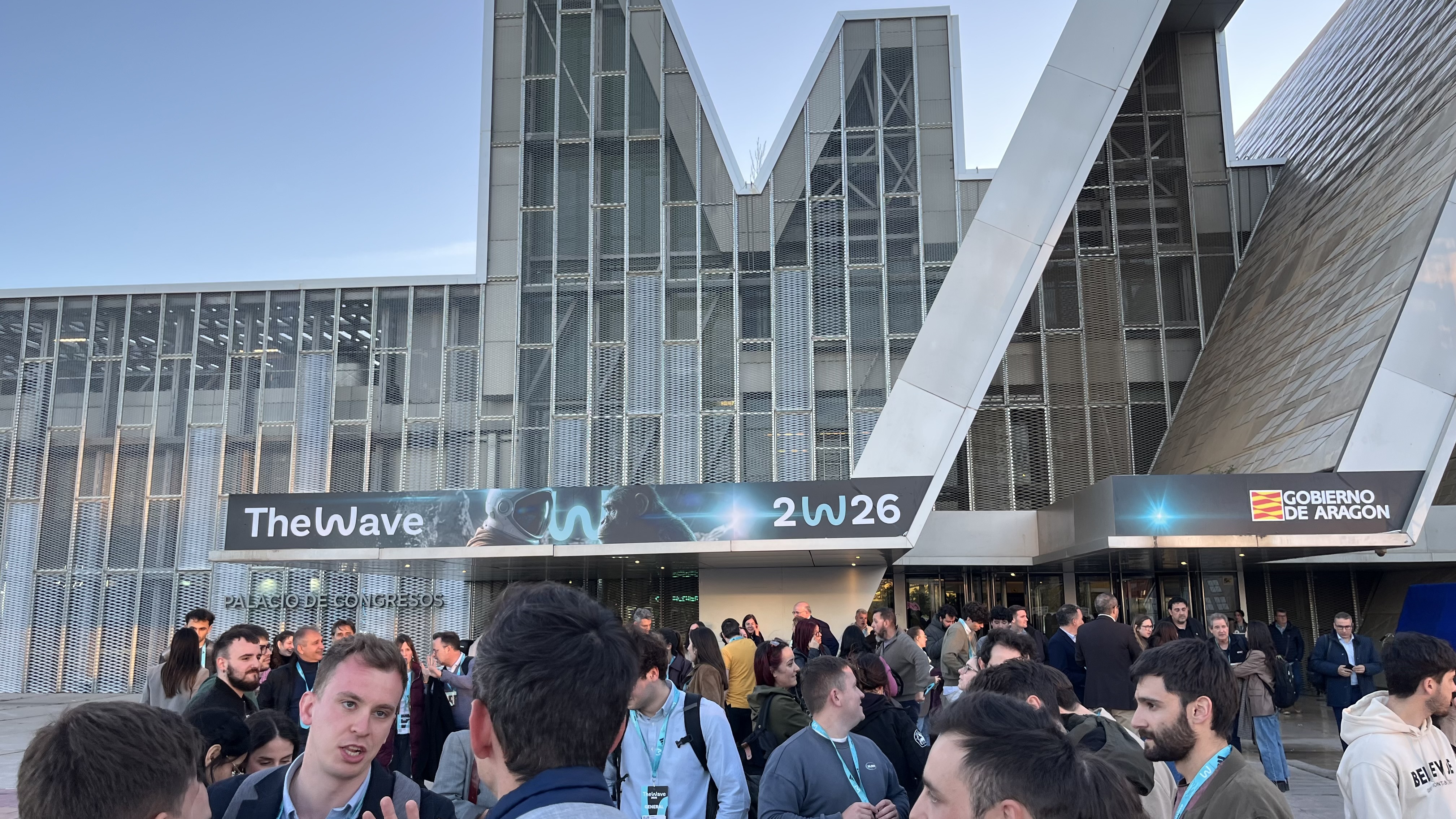
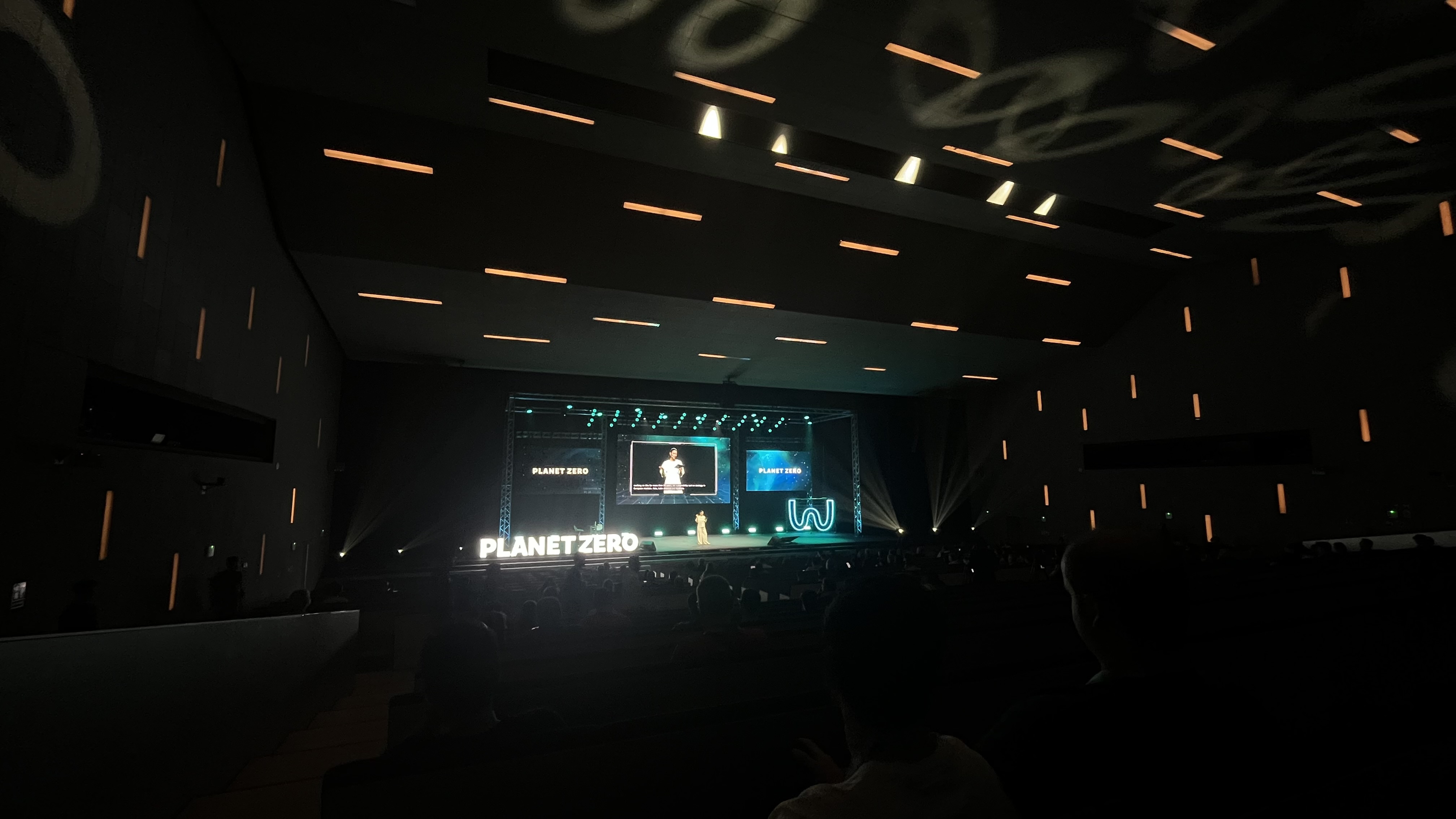
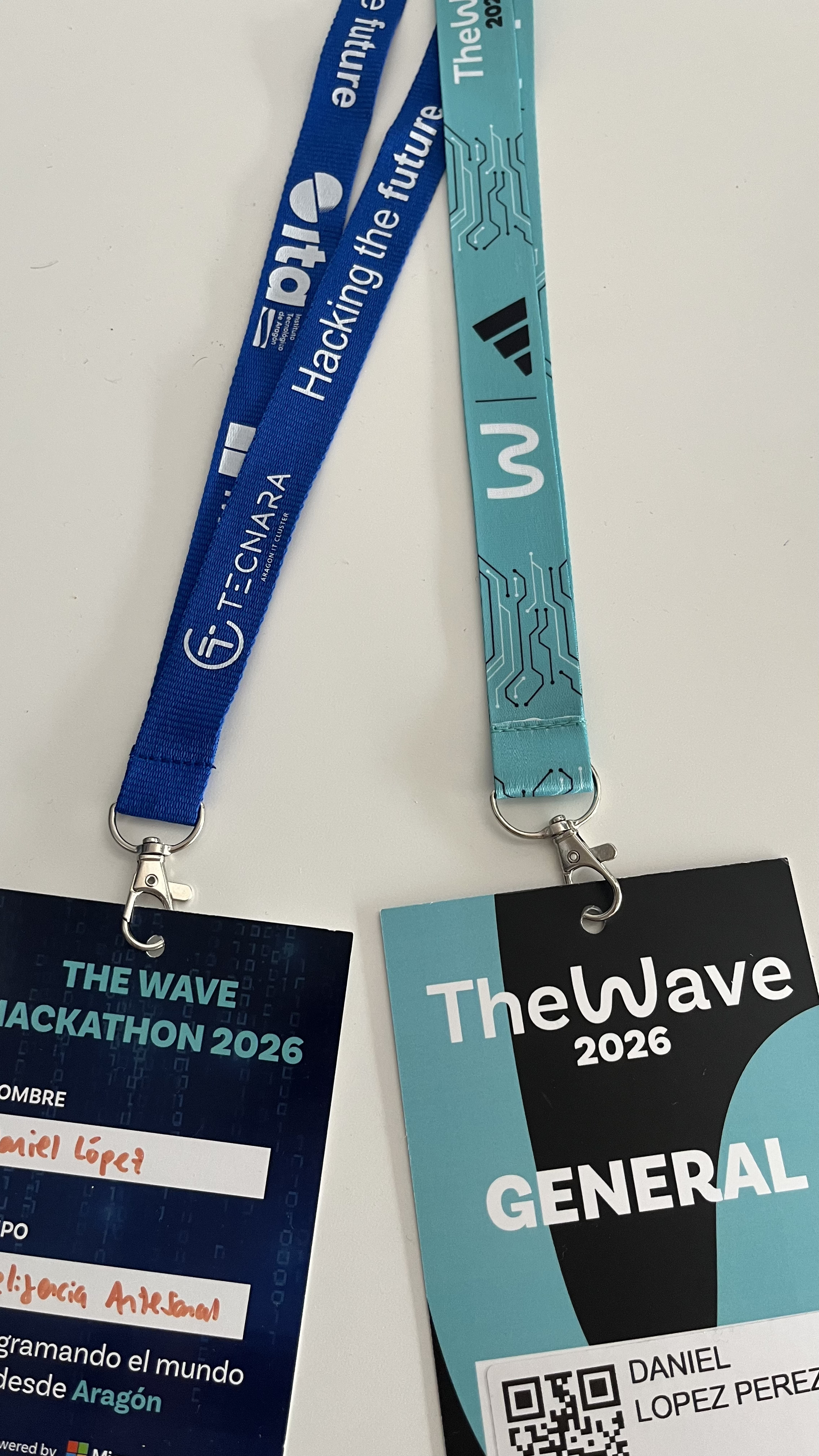
The congress wasn’t just about code and circuits; it was an incredible meeting point for the tech community. From the entrance at the Palacio de Congresos to the energy-filled halls, the atmosphere of innovation was everywhere.
Hello Blocks! Kids: An Environment Designed for Them
Our approach prioritized UX for a young audience. We eliminated unnecessary complexity and created a visually attractive and motivating system.
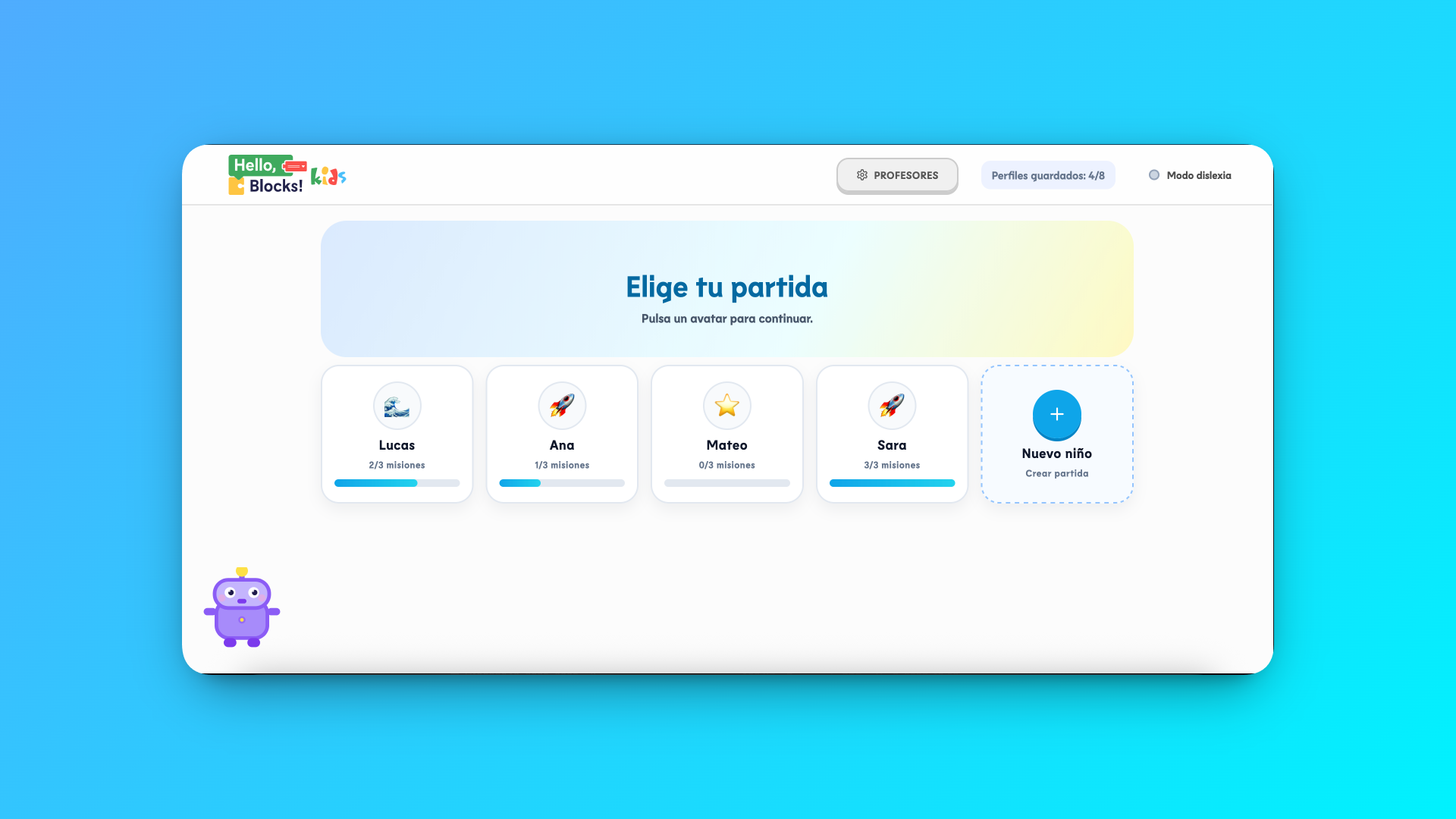
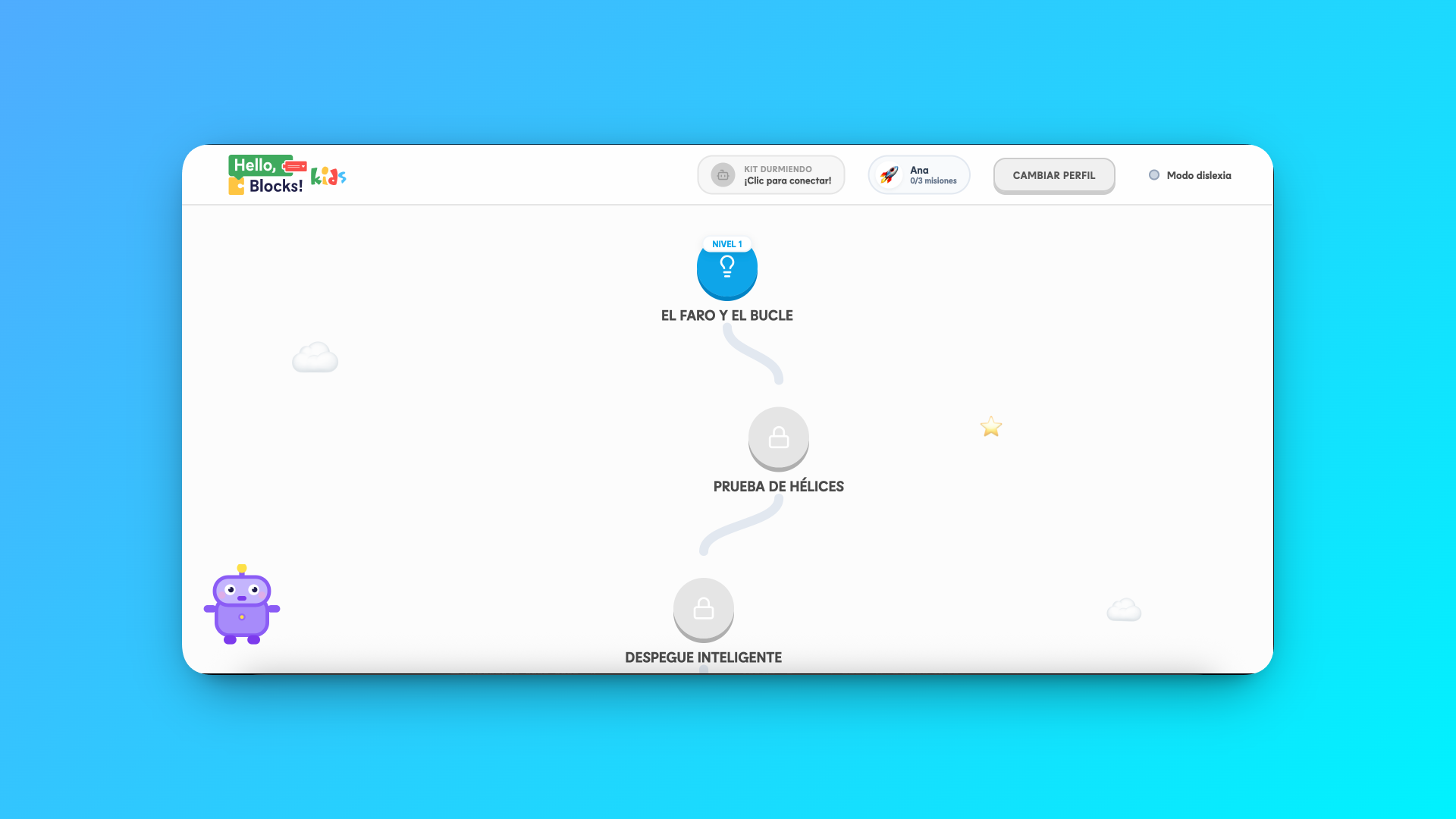
1. A Playful Learning Map
We designed a non-linear level system that transports children through different challenges, from lighting their first LED in a lighthouse to controlling more complex motors.
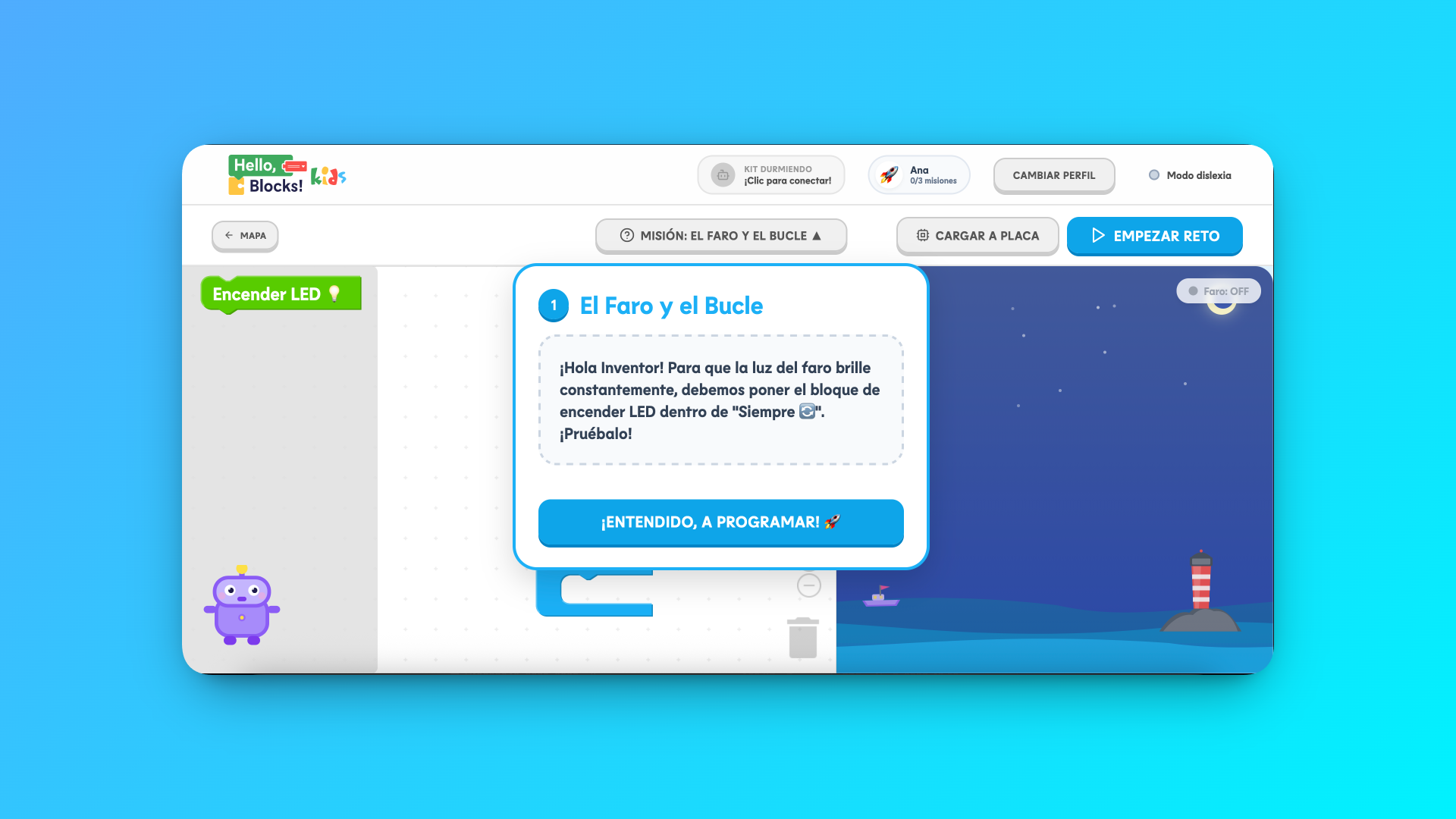
2. CodePilot: AI as a Mentor
One of the key points of the challenge was AI integration. We developed CodePilot, a small robot assistant that doesn’t just give instructions, but analyzes the state of the child’s code and offers contextually relevant hints.
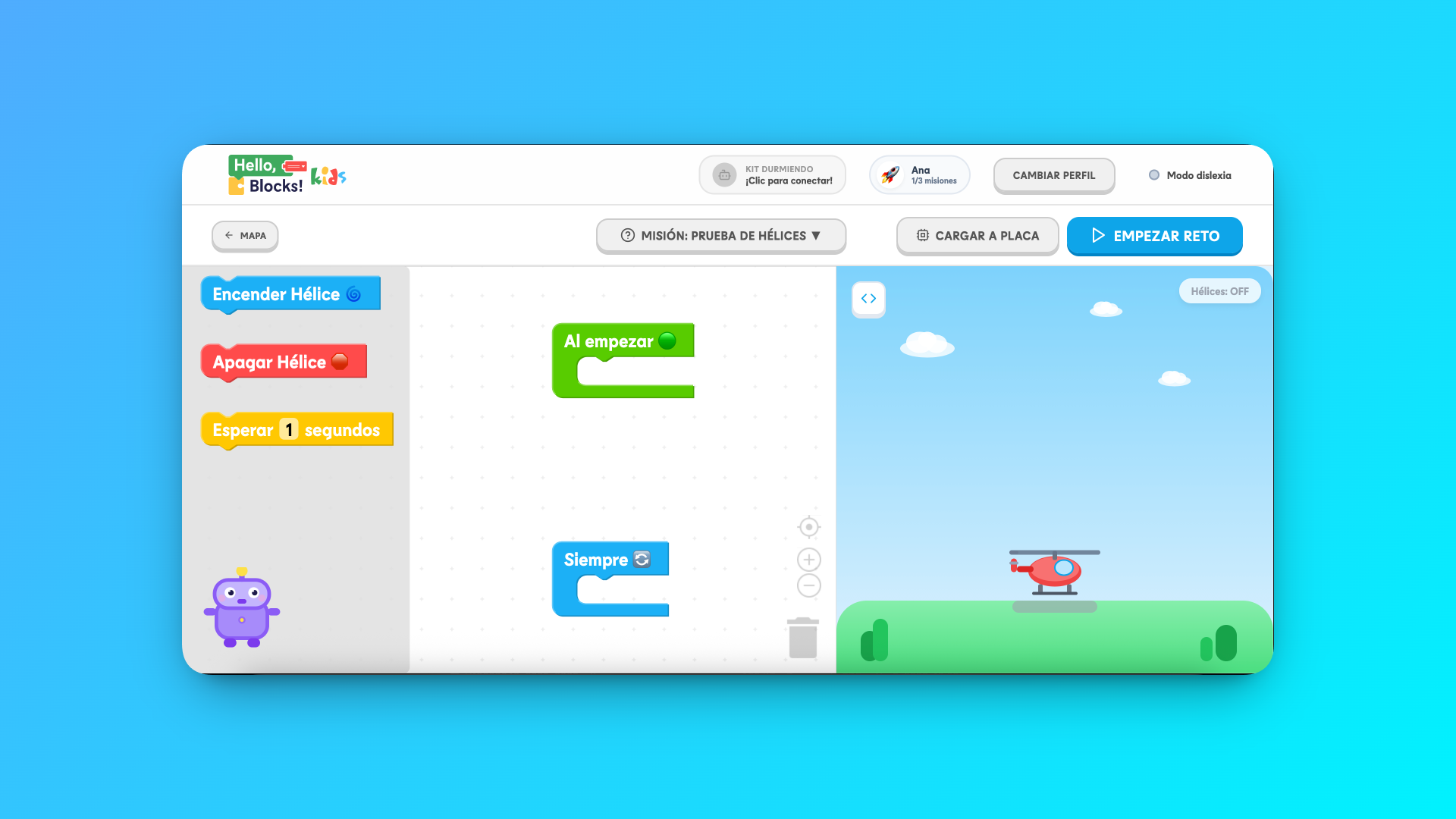
3. Real Programming and Hardware
Using the Web Serial API, we managed to translate the blocks into Arduino C++ code and upload it directly to the board from the browser, with no installation required. The environment includes a simulator so they can test their algorithms before pushing them to the hardware.
Technical Architecture
To achieve a robust and scalable system in just 24 hours, we opted for a modern and efficient stack:
- Frontend: Developed with React and Vite, using Blockly as the core block engine and Framer Motion for animations and micro-interactions that bring the interface to life.
- Backend: A Node.js API with Express managing profile persistence and validation logic.
- AI Integration: We implemented a Mistral model, accessed via a Vite proxy to secure API keys and optimize CodePilot assistant requests.
- Hardware Integration: The backend features a specialized Arduino compilation and upload flow, allowing the children’s code to be transformed into executable binaries transparently.
Conclusion
The Wave Hackathon was an intense but incredibly rewarding experience. We managed to develop a fully functional Minimum Viable Product (MVP) in less than 24 hours, proving that technology and education can go hand in hand to inspire the next generation of inventors.
Want to see it in action? You can explore the demo at hbk.demo.dlopez.eu.org.
Thanks to Academia de Inventores and The Wave organizers for this opportunity!

Comments
This blog uses a public mailing list for comments. Any message sent to the list will be publicly visible. You can join the discussion by viewing the archive or replying via email.